about brink commerce
A new approach: the founding of Brink Commerce
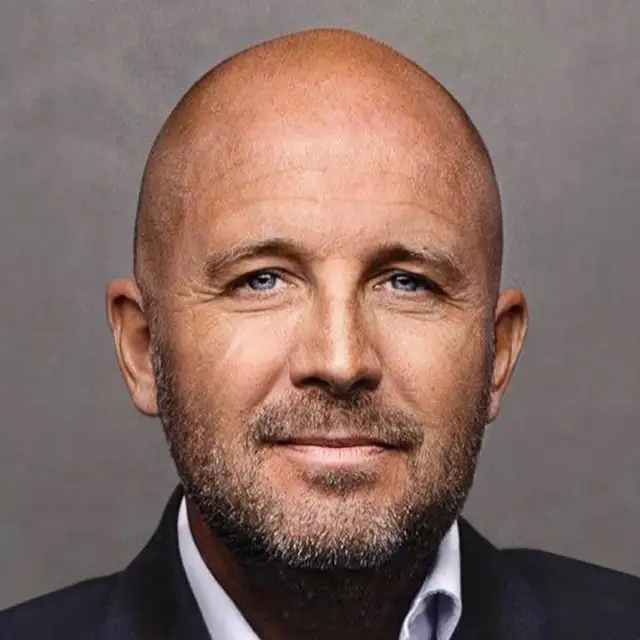
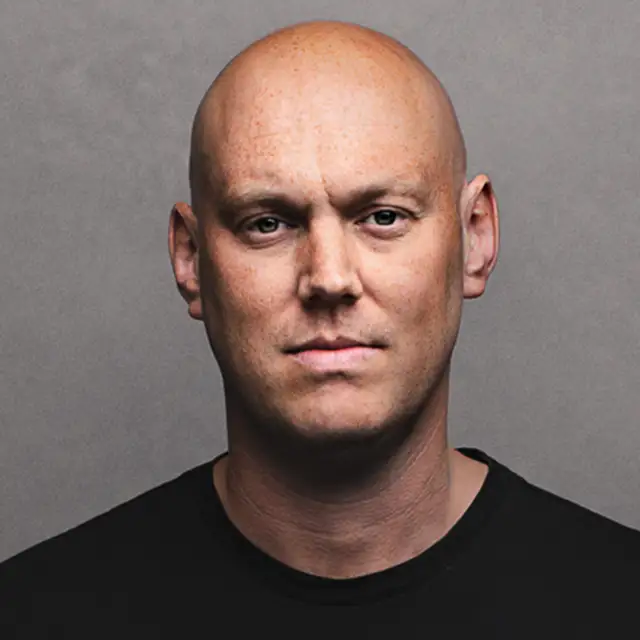
Following countless late nights and long conversations about what commerce technology was getting wrong, Kristian Tysander and Patrik Antonsson, both coming from Daniel Wellington, one of Sweden's fastest-growing direct-to-consumer brands, teamed up with Marcus Ljungberg, then at Klarna, in 2020.
They'd seen the problem from the inside: commerce platforms built for how retail worked ten years earlier, not for how it was starting to work. Their answer became Brink Commerce, headless, API-first, and built to let merchants change one thing without rebuilding everything.
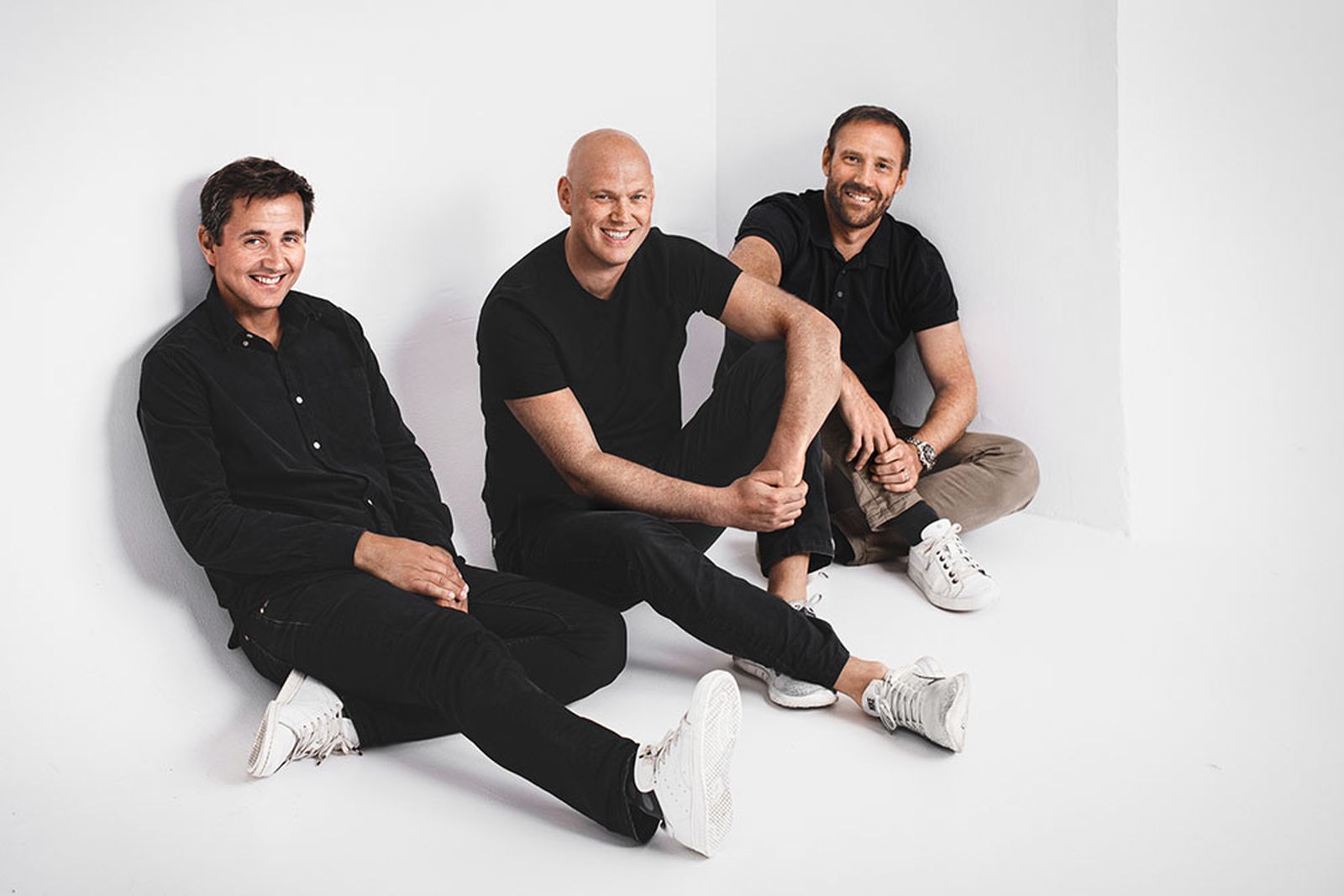
Founders (From Left) Marcus, Kristian, and Patrik
Building the team
Brink Commerce was founded in 2020. The first employee joined that year, and the company opened its first office in Stockholm. Over the next two years, the team grew steadily, onboarding early customers and building out the core platform, cart, checkout, pricing, and order management, as independent services from day one.
Earning a seat at the table
By 2023, Brink had grown into a 20-strong team and closed a seed round backed by operators who'd built the kind of brands Brink was built to serve: Jarno Vanhatapio (Nelly, NA-KD), Alexander Hars (Let's Deal, Desenio), Albin Johansson (Axel Arigato), Filip Tysander (Daniel Wellington), and investment firms Wellstreet and Innovation Nest.
In July 2023, Brink became a certified member of the MACH Alliance, the industry body behind the Microservices-based, API-first, Cloud-native, and Headless standard Brink had been building to all along. Co-founders Kristian Tysander, Marcus Ljungberg, and Patrik Antonsson each called it a milestone, proof that the architecture they'd bet the company on was becoming the industry standard, not a bet against it.
Scaling with intent
At the end of 2023, Brink closed a funding round exceeding 20 million SEK, led by Forward, a Dutch venture capital firm, with chairman Daniel Johnsson of Quiq. Recurring revenue had grown more than 250% over the previous two years, and the company was closing in on positive cash flow in the Nordics, with expansion into Poland, the Netherlands, and the UK on the roadmap. That same month, Nelly Group selected Brink to rebuild Nelly.com, NLYMan.com, and its app, CEO Kristian Tysander called it a chance to help Nelly "achieve more for lower cost and be more agile."
In April 2024, CEO Kristian Tysander joined the MACH Alliance C-Suite Advisory Board, recognition of Brink's growing voice in shaping where composable commerce goes next. That same year, Brink reached EBITDA profitability, a quieter milestone than a funding headline, but the one that marks the shift from promising startup to a company built to last.
A platform for leading merchants and global brands
By May 2025, Brink had raised €5 million led by Qvantea Capital to support surging enterprise demand, with annual transaction volume approaching SEK 10 billion and average annual growth exceeding 150% since 2022. Qvantea's Simon M Lidén put it plainly after speaking with Brink's customers: "When we asked what platform they would choose if Brink didn't exist, every customer gave the same answer: there is no viable alternative today."
The results back that up. Adlibris, the largest online bookstore in the Nordics with 15 million SKUs on the shelf, rebuilt its entire transactional core, cart, checkout, promotions, on Brink in five months. Bagaren och Kocken, part of Egmont LivingNordic's SEK 2 billion home and kitchen group, went live on a new Brink-powered stack in under six months, on time and on budget. Indiska, a Swedish retailer with over a century of history, chose Brink to cut technical debt and take back ownership of its own roadmap. And Sail Racing, a performance sailing brand expanding into the US, picked Brink specifically for architecture that doesn't force a choice between scaling today and being ready for what's next.
As Brink COO Christian Zanders put it after the Adlibris launch: "Advanced technology should not create more complexity, it should eliminate it."
Still building at the edge
Growth hasn't slowed the pace of building, if anything, the release cadence has picked up. In November 2025, Brink launched Shopper Insights, giving merchants visibility into checkout sessions that never became orders, declined cards, timeouts, failed verifications, searchable by order reference or email instead of staying invisible to support. In May 2026, Automated Workflows arrived inside Order Management: no-code condition, branch, and action logic that runs post-purchase decisions automatically, routing a gift card for instant delivery, flagging a high-value order for review, cancelling an invalid B2B order, without an operations person doing it by hand. A month later came the Shopper SDK, a typed TypeScript client wrapping the full Shopper API, cutting the integration work agencies and in-house teams have always had to do themselves. And most recently, an MCP server for Merchant Portal turned those same operations, refunds, custom states, campaign management, into something an AI agent can run directly, under the same permissions and audit trail as a person.